Phone Number:-+91 9008420075


Most first-time managers struggle because they’re promoted for their individual skills but never trained to lead people. The real fix isn’t a pep talk or a one-off workshop; it’s a structured management development program that builds delegation, communication, and people-leadership skills before the pressure hits. Here’s what’s actually going wrong, and what a program that works looks like in 2026.
Why First-Time Managers Are Struggling Right Now
New manager burnout is rising, and it’s not just anecdotal. Hybrid teams, flatter org charts, and faster promotion cycles mean people are stepping into people manager training gaps that used to take years to fill.
A few patterns show up again and again:
- Promotions happen based on technical output, not leadership readiness
- Managers are handed a team with zero formal leadership development
- Support usually arrives only after performance problems appear, not before
The result: talented employees underperform as managers, and companies quietly lose the ROI on their best people.
Challenges Faced by First-Time Managers
This is where most management development program gaps show up first.

Leading Former Peers
Managing people who were yesterday’s teammates is awkward without a playbook. First-time managers often either over-correct into authority mode or avoid giving direction altogether, both of which erode trust.
Delegation
New managers tend to hold onto tasks they’re good at instead of handing them off. Without training, delegation feels like losing control rather than building capacity.
Difficult Conversations and Performance Management
Feedback conversations, missed deadlines, underperformance these are skills, not instincts. Most first-timers have never been taught a framework for handling them calmly. They need to sharpen interpersonal skills, such as active listening and providing feedback, to manage these difficult conversations.
Stakeholder Management
Managing upward and sideways is a different skill from managing downward. New managers often struggle to balance competing priorities from leadership, peers, and their own team. They often lack exposure to performing stakeholder assessment and developing an engagement plan.
Executive Communication
Summarizing complex work into clear, confident updates for senior leaders is one of the biggest gaps. Many capable managers lose credibility simply because they can’t communicate at that level yet. Leaders look for outcomes and business value, not only output.
Signs Your Management Development Program Isn’t Keeping Up
If your organization already has a program in place, it may still be outdated. Watch for:
- Training that’s generic and not tied to real workplace scenarios
- No follow-up coaching after the initial session
- A one-size-fits-all curriculum, regardless of leadership style or strengths
- No way to measure behavior change post-training
What a Modern Program Should Actually Cover
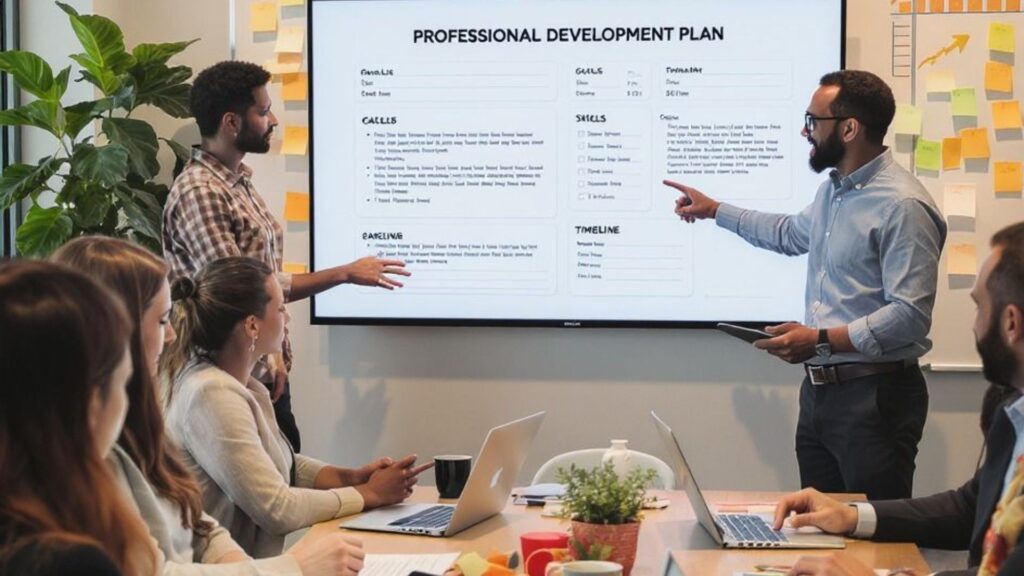
A manager development approach that works in today’s workplace usually includes:
- Self-awareness tools (strengths assessments, leadership style discovery)
- Practical modules on delegation, feedback, and performance conversations
- Stakeholder and executive communication practice, not just theory
- Ongoing coaching, not a single workshop
- Peer cohorts so new managers don’t feel like they’re figuring it out alone
Organizations that treat this as an ongoing capability-building effort, not a checkbox, see faster team performance and lower first-year manager attrition.
Getting the Support Right
If your first-time managers are struggling, it’s rarely a talent problem; it’s a training gap. At PrimeCrest Alliance, our Management Development Program is built around exactly these challenges: helping new people managers lead with confidence, discover our leadership style, and build high-performing teams through structured coaching rather than one-off workshops. If this sounds like where your team is right now, it’s worth a closer look.
FAQs
1. Why do most first-time managers struggle?
They’re usually promoted for technical skills, not leadership ability, and rarely receive structured training before taking on the role.
2. What is a management development program?
It’s a structured learning path combining training, coaching, and assessments designed to build the skills new and existing managers need to lead teams effectively.
3. How long does it take a first-time manager to adjust?
Most managers take 6–12 months to feel confident, and this timeline shortens significantly with proper training and coaching support.
4. What’s the biggest mistake new managers make?
Avoiding delegation and difficult conversations, which often leads to burnout or team disengagement.
5. Is leadership development only for senior employees?
No, starting leadership development at the first-time manager stage prevents bigger performance and retention issues later.
6. Can coaching really change how a manager leads?
Yes, ongoing coaching reinforces training in real situations, which is why it tends to outperform one-time workshops.