Phone Number:-+91 9008420075

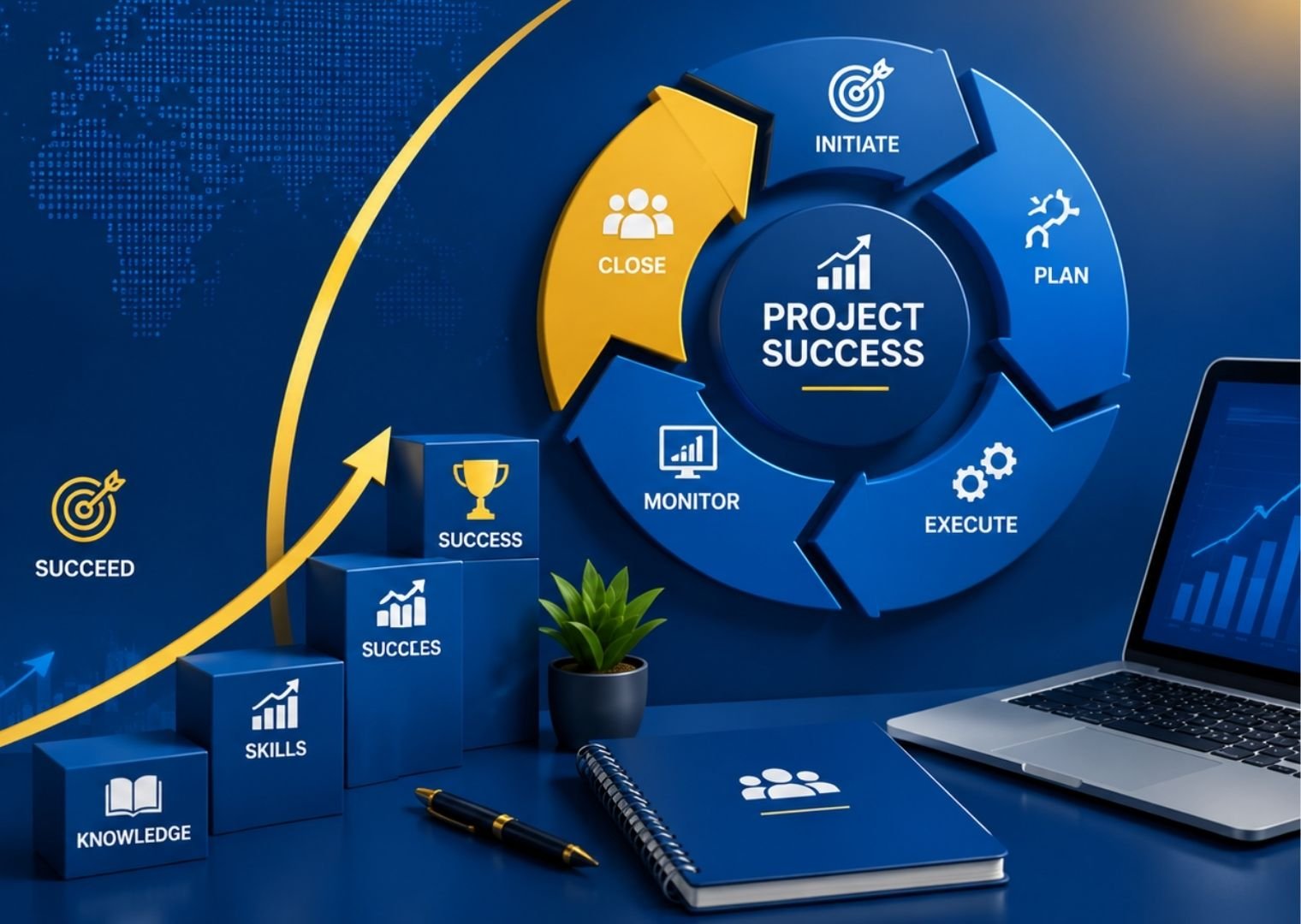
Project management training is often misunderstood as nothing more than exam preparation for a certification. In reality, it is a structured learning and development process that builds both technical project-execution skills and genuine leadership capabilities. For project professionals globally, choosing the right project management training & development program can directly influence how effectively projects are delivered and how well teams perform under pressure.
This guide breaks down what project management training actually involves, why it matters beyond certification, and how it helps build high-performing project teams.
What Is Project Management Training
Project management training is a structured learning program designed to build the skills needed to initiate, plan, execute, monitor, and close projects that deliver business value successfully. It typically covers project initiation, planning, scheduling, stakeholder management, risk management, and resource allocation, as well as methodologies such as Agile, Predictive, and Hybrid.
Unlike certification-focused programs that concentrate solely on exam readiness, comprehensive project management training classes go further by connecting theoretical frameworks to practical workplace scenarios. The goal is not just passing an exam but becoming genuinely effective at leading projects and people.
Why Project Management Training Goes Beyond Certification
Many professionals assume project management training and certification preparation are the same thing. They are not. Certification preparation focuses narrowly on exam content, terminology, and test-taking strategy. Project management training, when done well, builds:
- Practical project planning and execution capability
- Stakeholder communication and engagement skills
- Risk management and mitigation thinking
- Cross-functional team leadership
- Decision-making under real project constraints
How Project Management Training Builds High-Performing Teams

High-performing project teams are not built by accident. They are shaped by leadership, clear processes, and strong communication, all of which are core outcomes of quality project management training.
Stronger Project Governance
Training helps professionals understand how to set up clear governance structures, defining roles, responsibilities, and decision-making authority across a project.
Improved Stakeholder Management
Professionals learn how to manage expectations, communicate effectively across departments, and keep stakeholders aligned throughout the project lifecycle.
Better Risk Management
Training builds the ability to anticipate risks early, plan mitigation strategies, and respond effectively when issues arise rather than reacting only after problems escalate.
Leadership Under Pressure
Perhaps the most overlooked outcome of strong project management training is leadership development. Professionals looking to strengthen this further can also explore executive coaching for sustained leadership growth.
Project Management Training vs Leadership Development
The strongest project management training program combines both technical project execution skills and leadership development. Professionals are trained not just to manage tasks but to lead people, navigate conflict, influence stakeholders, and make sound decisions under pressure. This shift from managing tasks to leading people is often where a dedicated manager development program becomes useful, since it focuses specifically on the people-leadership side that technical training alone tends to overlook.
Who Should Take Project Management Training
Project management training is valuable for a wide range of professionals, including:
- Aspiring project managers building foundational skills
- Team leads stepping into project leadership roles
- IT professionals managing technical project delivery
- Corporate employees responsible for cross-functional initiatives
- Professionals seeking structured career development in project leadership
Organizations also benefit significantly from offering project management training in Bangalore and other cities to their workforce, building internal capability rather than relying solely on external hires for project leadership roles. Professionals seeking a more intensive learning format may also consider our leadership masterclass.
How to Choose the Right Project Management Training Program
Not all project management training programs deliver the same value. When evaluating options, look for:
Practitioner-Led Learning: Instructors should have real-world project management experience, not just theoretical knowledge.
Practical Application: The program should include scenario-based learning, not just slide-based content delivery.
Leadership Focus: A strong program builds leadership capability alongside technical project management skills.
Personalized Support: Smaller batch sizes and direct access to instructors lead to better learning outcomes than large, impersonal cohorts.
At PrimeCrest Alliance, project management training is designed around practical, real-world applications rather than theory alone. Drawing on practitioners’ experience leading real projects, the training connects project management frameworks to real-world workplace challenges, helping professionals build both execution capability and leadership readiness. For professionals looking to formalize this experience further, exploring our Leadership Accelerator for PMP® certification program can be a valuable next step. Here we go beyond certification and help you develop leadership skills such as Executive Presence, and get future-ready AI skills needed for managers. What’s more, our 1:1 executive coaching process can help you chart difficult career events and sustain your growth.
Final Thoughts
Project management training is not just a stepping stone to certification; it is a foundation for building stronger project execution capability and genuine leadership skills. People who invest in comprehensive project management development programs for their teams often see stronger project governance, better stakeholder alignment, and more resilient project delivery. If you are ready to explore the right program for your team, you can book a consultation with our team.
For professionals serious about advancing into project leadership roles, the right training program can be the difference between managing tasks and truly leading teams.
Frequently Asked Questions
1. What is project management training?
Project management training is a structured learning program that builds skills in project planning, execution, stakeholder management, risk management, and leadership.
2. Who should attend project management training?
Project management training is suitable for aspiring project managers, team leads transitioning into leadership roles, IT professionals managing project delivery, and corporate employees.
3. What are the benefits of project management training?
Benefits include stronger project planning capability, improved stakeholder communication, better risk management, and the development of leadership skills.
4. Does project management training improve leadership skills?
Yes, quality project management training goes beyond technical frameworks to build decision-making, communication, and team leadership capabilities.
5. How long does project management training take?
The duration varies by program, but most structured project management training classes range from a few weeks to a few months, depending on the depth of content and whether they include certification preparation.
6. How do I choose the right project management training provider?
Look for practitioner-led instruction, scenario-based learning, leadership development focus, and smaller batch sizes that allow for personalized attention and direct instructor support.
7. Is project management training suitable for working professionals?
Yes, many project management training programs are designed with flexible formats to accommodate working professionals balancing full-time jobs with their learning goals.
8. What skills will I gain from project management training?
Professionals typically gain skills in project planning, stakeholder management, risk management and leadership capability needed to manage teams effectively.
NOTICE: “PMI”, “PMP”, and “PMBOK” are registered marks of the Project Management Institute, Inc.